

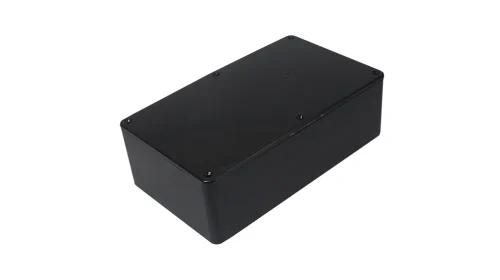
Selecting the appropriate enclosure is a critical step in any electrical or electronic project. The right housing not only protects internal components but also ensures long-term reliability, safety, and performance. ABS plastic has become one of the most widely used materials for this purpose due to its balance of strength, flexibility, and cost-effectiveness.
When working on a design or engineering project, understanding how to match enclosure features with application requirements can significantly improve the final outcome. An abs plastic enclosure is often chosen because it provides a dependable combination of durability and adaptability, making it suitable for everything from simple DIY electronics to complex industrial systems.
Table of Contents
ToggleUnderstanding Project Requirements First
Before selecting an enclosure, it is important to clearly define the requirements of the project. This includes both environmental conditions and internal component needs.
Key questions to consider include:
- Will the device be used indoors or outdoors?
- Is protection needed against water, dust, or chemicals?
- How much internal space is required for components and wiring?
- Will the enclosure be exposed to heat or vibration?
Answering these questions helps narrow down the type of ABS enclosure that best fits the application.
Size and Layout Considerations
One of the most important factors in choosing an enclosure is size. The internal layout of electronic components must be carefully planned to ensure proper fit and airflow.
A poorly sized enclosure can lead to overheating, wiring issues, or mechanical stress on components. On the other hand, a well-fitted enclosure improves organization and system efficiency.
When evaluating size, consider:
- PCB dimensions and mounting space
- Cable entry points and connectors
- Space for future upgrades or modifications
- Ventilation requirements for heat management
Proper planning at this stage helps avoid costly redesigns later.
Environmental Protection Requirements
Different projects require different levels of environmental protection. ABS enclosures can be adapted with seals and design features to improve resistance against external elements.
Common protection needs include:
- Dust resistance for industrial or workshop environments
- Moisture protection for outdoor or humid conditions
- Impact resistance for portable or high-movement devices
For more demanding environments, sealed designs with gasket systems are often preferred to ensure long-term reliability.
Material Advantages of ABS Plastic
ABS is widely used in enclosure manufacturing because of its strong mechanical and electrical properties. It offers a practical balance between durability and manufacturability.
Key material advantages include:
- High impact resistance to protect against physical damage
- Lightweight structure for easy installation and transport
- Electrical insulation to enhance safety in electronic systems
- Easy machining for customization such as drilling or cutting
These characteristics make ABS suitable for both prototype development and mass production.
Customization and Design Flexibility
Modern electronic projects often require customized enclosure designs. ABS plastic supports a wide range of modifications, allowing engineers to tailor enclosures to specific needs.
Customization options may include:
- Cutouts for switches, displays, and connectors
- Mounting brackets for internal components
- Branding or labeling on the enclosure surface
- Different shapes and configurations based on project design
This flexibility makes ABS enclosures especially useful in product development stages where design changes are common.
Application-Specific Selection
Different industries require different enclosure features. For example, industrial automation systems may prioritize durability and vibration resistance, while consumer electronics focus more on aesthetics and compact design.
Typical application considerations include:
- Industrial systems: strength and durability
- Consumer electronics: compact size and appearance
- Outdoor devices: environmental sealing and weather resistance
- Medical equipment: safety and cleanliness requirements
Matching the enclosure type to the application ensures optimal performance and reliability.
Conclusion
Choosing the right enclosure is essential for the success of any electronic or electrical project. Factors such as size, environment, material properties, and customization needs all play a significant role in the decision-making process. ABS plastic remains a preferred material due to its strength, flexibility, and adaptability across various applications. By carefully evaluating project requirements, engineers and designers can select the most suitable enclosure solution to ensure long-term functionality and protection.


