Selecting the right plastic film involves more than looking at its appearance. Thickness and transparency are two important characteristics that influence how a material performs in packaging, manufacturing, construction, and commercial applications. Understanding these properties helps businesses choose a suitable film that meets their requirements for protection, flexibility, and product visibility.
Clear PVC film is available in different specifications, allowing manufacturers to use it for applications ranging from lightweight packaging to protective industrial coverings. However, selecting an appropriate option requires understanding how thickness affects strength and flexibility, as well as how material composition and manufacturing processes influence transparency.
What Is Clear PVC Film?
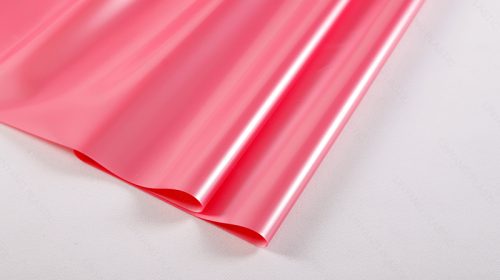
Clear PVC film is a transparent plastic material made from polyvinyl chloride (PVC), a versatile thermoplastic polymer. It is manufactured in different thicknesses, widths, and formulations to accommodate various commercial and industrial needs.
Its transparent surface allows users to see through the material while providing a physical covering for products and surfaces. Depending on its formulation, the film can be flexible, semi-rigid, or designed for specific performance requirements.
Businesses exploring transparent materials for packaging and protective applications can consider Clear PVC Film when they need a combination of visibility, flexibility, and practical protection.
Understanding the Thickness of Clear PVC Film
Thickness refers to the distance between the two surfaces of a plastic film. It is commonly measured in micrometers (µm), millimeters (mm), or mils.
The thickness selected can influence several performance characteristics, including flexibility, strength, weight, and resistance to physical damage.
1. Thin PVC Film
Thin PVC film is generally used for applications where flexibility and lightweight construction are important.
It can be suitable for selected packaging applications, protective sleeves, and lightweight coverings. Its flexibility makes it easier to fold, cut, and process into different shapes.
However, thinner films may offer less resistance to punctures and tearing than thicker alternatives. Therefore, the intended application should always guide the selection.
2. Medium-Thickness PVC Film
Medium-thickness PVC film provides a balance between flexibility and mechanical strength.
It can be suitable for retail packaging, protective covers, display components, and selected commercial applications where the material needs to maintain its shape while remaining reasonably flexible.
This category is often considered when businesses need a material that can handle regular use without becoming unnecessarily heavy or rigid.
3. Thick PVC Film
Thicker PVC film generally provides greater stiffness and can offer improved resistance to certain types of physical damage.
It is commonly considered for applications such as industrial covers, protective barriers, and semi-rigid packaging components.
However, increasing thickness may reduce flexibility and increase material weight. Businesses should therefore avoid choosing a thicker film unless the application actually requires its additional mechanical properties.
How Thickness Affects PVC Film Performance
Thickness influences more than the physical appearance of a plastic sheet. It can affect how the material behaves during manufacturing, handling, and everyday use.
Strength and Durability
In many comparable PVC formulations, increasing thickness can improve resistance to punctures and certain types of mechanical stress.
However, thickness alone does not determine durability. Material formulation, plasticizer content, manufacturing quality, and processing conditions also play important roles.
Flexibility and Handling
Thinner films are generally easier to bend and fold, while thicker films tend to provide greater stiffness.
The right balance depends on whether the application requires the material to wrap around products, maintain a specific shape, or withstand repeated movement.
Weight and Material Consumption
Thickness directly affects the amount of material used in a given surface area.
For large-scale packaging operations, even small differences in thickness can influence overall material consumption, shipping weight, and production costs.
Processing Requirements
Film thickness can also affect cutting, sealing, forming, and printing operations.
Manufacturers should confirm that the selected material is compatible with their production equipment to maintain consistent results.
Understanding the Transparency of Clear PVC Film
Transparency describes how much light passes through a material and how clearly objects can be seen through it.
For packaging and display applications, transparency is particularly important because it allows customers and employees to view products without removing protective coverings.
However, not all transparent PVC films offer identical optical performance. Their clarity can vary depending on raw material quality, additives, thickness, surface finish, and manufacturing conditions.
Factors That Influence Transparency
Several factors determine the optical clarity of PVC film.
Material Formulation: The quality of the PVC resin and the additives used during production can influence the film’s appearance and clarity.
Film Thickness: Greater thickness may affect light transmission and visual appearance, although the relationship depends on the formulation and manufacturing process.
Surface Quality: Scratches, uneven surfaces, and manufacturing defects can reduce visual clarity.
Additives and Plasticizers: Different additives can influence flexibility, appearance, and optical properties. Their selection must match the intended application.
Manufacturing Process: Consistent processing helps produce a uniform film with fewer visible imperfections.
Why Transparency Matters in Different Industries
Transparency is not simply an aesthetic feature. It provides practical advantages across several industries.
Packaging and Retail
Transparent packaging allows customers to inspect products before purchasing them. This is especially useful for stationery, toys, accessories, household products, and decorative items.
It also helps retailers display products while keeping them covered against dust and unnecessary handling.
Industrial Applications
Industrial facilities often use transparent PVC materials for flexible curtains, partitions, and selected protective enclosures.
These applications allow workers to maintain visibility between different areas while creating a physical separation.
Construction and Commercial Spaces
Transparent PVC film can be used in selected temporary enclosures, flexible barriers, and protective coverings.
Its ability to transmit light can help maintain visibility in enclosed spaces while providing a practical covering.
Furniture and Interior Protection
Clear PVC materials are also used for table covers, furniture protection, and selected decorative applications.
Their transparent appearance allows the original surface design to remain visible while helping reduce exposure to dust and everyday wear.
Relationship Between Thickness and Transparency
Thickness and transparency are closely related, but they should not be treated as interchangeable properties.
A thicker film may provide additional mechanical protection, but this does not automatically mean it will have better or worse optical clarity. The result depends on the material formulation, processing quality, and intended design.
Similarly, a thin film may provide excellent transparency but may not offer enough mechanical strength for demanding applications.
For this reason, businesses should evaluate both properties independently before making a purchasing decision.
For example:
- Retail packaging may prioritize high clarity with sufficient thickness for product protection.
- Industrial curtains may require greater thickness while maintaining adequate visibility.
- Lightweight protective sleeves may prioritize flexibility and transparency over high stiffness.
- Display packaging may require a smooth surface and consistent optical quality.
The objective is to find a specification that balances both characteristics according to the application’s requirements.
How to Choose the Right Thickness and Transparency
Selecting an appropriate PVC film requires a clear understanding of its intended use.
1. Identify the Application
Start by determining whether the film will be used for packaging, protective coverings, industrial partitions, or decorative purposes.
Each application has different requirements for strength, flexibility, and visibility.
2. Consider the Required Protection
Evaluate the type of exposure the film will encounter. Products that experience frequent handling or transportation may need a stronger material than items intended for simple retail display.
3. Determine the Desired Optical Clarity
If customers need to see product details clearly, choose a film with suitable optical specifications and surface quality.
For applications where visibility is less important, other mechanical characteristics may receive greater priority.
4. Check Technical Specifications
Review the manufacturer’s product information for thickness tolerance, transparency, tensile properties, and recommended applications.
Requesting technical data and physical samples can help confirm whether the film meets the required standards.
5. Test Before Large-Scale Production
Testing samples under actual operating conditions helps identify possible issues with folding, cutting, sealing, handling, and visibility.
This can reduce material waste and improve consistency during commercial production.
Common Mistakes to Avoid When Selecting PVC Film
Businesses sometimes focus on one characteristic while overlooking other important performance factors.
Some common mistakes include:
- Choosing thickness based only on price rather than application requirements.
- Assuming that thicker film always provides better overall performance.
- Ignoring optical clarity when product visibility is important.
- Overlooking compatibility with packaging machinery.
- Failing to consider temperature and environmental exposure.
- Purchasing large quantities without evaluating samples first.
Avoiding these mistakes can help businesses select materials that provide more consistent performance and better value.
Storage and Handling Recommendations
Proper storage and handling help preserve the quality of clear PVC film before use.
Consider the following practices:
- Store film rolls in a clean and dry environment.
- Protect the material from excessive heat and prolonged direct sunlight.
- Avoid placing heavy objects on top of stored rolls.
- Handle the film carefully to prevent scratches and surface damage.
- Follow the manufacturer’s recommended storage and handling instructions.
These precautions help maintain the film’s appearance and reduce unnecessary material damage.
Conclusion
Thickness and transparency are two essential characteristics to consider when selecting clear PVC film for packaging, industrial, and commercial applications. Thickness influences flexibility, stiffness, weight, and mechanical performance, while transparency determines how effectively users can see through the material.
The best selection depends on finding the right balance between these properties and the requirements of the intended application. By reviewing technical specifications, evaluating samples, and considering environmental conditions, businesses can choose a PVC film that provides suitable protection, consistent clarity, and reliable performance.