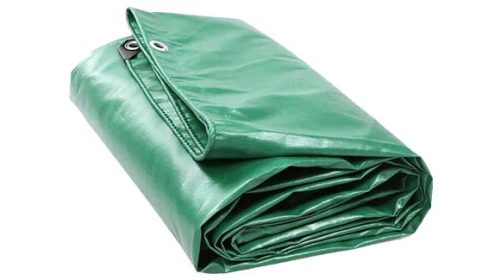
PVC tarpaulins are essential materials for businesses that require reliable protection against rain, sunlight, dust, and other environmental conditions. They are widely used in transportation, construction, agriculture, warehousing, and industrial applications. As demand for durable protective fabrics continues to grow, wholesalers and distributors need dependable suppliers who can provide consistent product quality at competitive prices.
Finding the right supplier involves more than comparing quotations. Buyers must evaluate manufacturing capabilities, raw material quality, product specifications, customization options, and delivery arrangements. Working with experienced PVC Tarpaulin Manufacturers can help wholesale businesses source suitable products while maintaining consistent inventory and meeting customer expectations. Understanding the factors that distinguish a reliable manufacturer from an average supplier makes the purchasing process more effective.
1. Understand Your Wholesale Supply Requirements
Before searching for manufacturers, clearly identify your business requirements. Different wholesale customers may need different tarpaulin specifications depending on their industries and target markets.
Start by determining the following:
- Product type: Decide whether you need coated PVC tarpaulin, laminated PVC fabric, or specialized protective materials.
- Material thickness: Identify the thickness suitable for your intended applications.
- Fabric weight: Determine the required GSM based on strength and handling requirements.
- Dimensions: Consider standard roll sizes or customized widths and lengths.
- Color preferences: Identify the colors and finishes required by your customers.
- Performance features: Determine whether UV resistance, flame retardancy, or additional protective treatments are necessary.
Having clear specifications makes it easier to compare manufacturers and request accurate wholesale quotations.
2. Research Manufacturers With Relevant Industry Experience
Experience is an important factor when evaluating potential suppliers. Manufacturers with established production operations may have greater familiarity with different material specifications, industrial applications, and wholesale purchasing requirements.
Research potential suppliers through their official websites, product catalogs, industry directories, and business profiles.
Pay attention to their experience in producing PVC-coated fabrics and whether their product range matches your requirements.
It is also useful to examine their ability to serve different industries, including transportation, construction, agriculture, and outdoor structures.
A manufacturer with relevant experience may be better equipped to understand specialized requirements and recommend appropriate material specifications.
3. Evaluate Raw Material Quality
Raw materials directly influence the performance and durability of PVC tarpaulins. Wholesale buyers should understand how manufacturers construct their products before making purchasing commitments.
Most PVC tarpaulins use a polyester fabric base combined with a PVC coating or laminated film.
Important material characteristics include:
Polyester Fabric Strength
The polyester base provides structural reinforcement and contributes to tensile strength and tear resistance.
Check the fabric density, yarn quality, and weaving construction before selecting a product.
PVC Coating Quality
The PVC coating creates a protective barrier against water and environmental exposure.
Its formulation, thickness, and adhesion to the textile base influence the finished material’s performance.
Protective Additives
Depending on the intended application, manufacturers may incorporate UV stabilizers, flame-retardant additives, and other functional ingredients.
Buyers should confirm which treatments are included and request relevant test documentation.
4. Compare Product Quality and Technical Specifications
One of the most effective ways to identify a suitable wholesale supplier is to compare measurable product characteristics.
Avoid relying only on descriptions such as premium, heavy-duty, or industrial grade.
Instead, request technical data sheets that include:
- GSM and material thickness.
- Tensile strength in warp and weft directions.
- Tear resistance.
- Waterproof performance.
- Coating adhesion.
- UV resistance.
- Temperature performance, where relevant.
These specifications provide a more objective basis for comparing products from different manufacturers.
It is also important to ensure that all suppliers are quoting against the same technical requirements. Otherwise, a lower price may simply reflect a lighter or differently constructed material.
5. Request Samples Before Placing Wholesale Orders
Product samples allow buyers to examine the actual material instead of depending entirely on photographs or written specifications.
Before placing a large order, request samples from shortlisted manufacturers.
During the evaluation process, examine:
Surface Quality: Check whether the PVC coating is smooth and evenly distributed.
Fabric Construction: Look for consistent weaving and a uniform material structure.
Flexibility: Evaluate whether the material can be folded and handled without unusual stiffness or cracking.
Waterproofing: Check available test reports or conduct appropriate water resistance assessments.
Finishing: Inspect the edges, coating adhesion, and overall appearance.
For larger wholesale contracts, independent laboratory testing may also be worthwhile.
6. Check Manufacturing Capacity and Production Technology
A reliable wholesale supplier must be capable of fulfilling the required order quantity without compromising product quality.
Ask potential manufacturers about their production facilities, equipment, and manufacturing processes.
Important considerations include:
- Available coating and lamination technology.
- Monthly production capacity.
- Ability to manufacture customized specifications.
- Quality inspection procedures.
- Availability of raw materials.
- Experience handling large and recurring orders.
Production capacity becomes especially important when wholesalers need regular shipments or seasonal inventory replenishment.
A manufacturer should be able to provide realistic production schedules and communicate any limitations before an order is confirmed.
7. Compare Wholesale Pricing and Minimum Order Quantities
Pricing is an important part of wholesale procurement, but it should never be the only selection criterion.
Manufacturers may offer different quotations depending on raw material costs, product specifications, order quantities, customization, and packaging requirements.
When comparing prices, consider the following:
Unit Pricing
Check whether prices are calculated per square meter, kilogram, roll, or another measurement.
Make sure the quotation clearly explains the measurement basis.
Minimum Order Quantity
Some manufacturers require minimum quantities for individual products, colors, or customized specifications.
Confirm these requirements before negotiating a wholesale agreement.
Customization Charges
Additional expenses may apply for special colors, printing, reinforced edges, or specific protective treatments.
Shipping and Packaging
Include transportation, packaging, insurance, and other applicable logistics costs when calculating the total purchase expense.
Payment Conditions
Review deposit requirements, payment schedules, accepted payment methods, and any available credit arrangements.
Comparing the complete landed cost gives wholesalers a more realistic understanding of the financial commitment.
8. Examine Quality Certifications and Testing Procedures
Quality assurance is essential when purchasing PVC tarpaulins in bulk. A manufacturer should have established inspection procedures to maintain consistent production standards.
Ask suppliers about their quality management systems and the tests performed on finished materials.
Relevant assessments may include:
- Tensile strength testing.
- Tear resistance testing.
- Waterproof performance testing.
- Coating adhesion evaluation.
- UV resistance testing.
- Dimensional consistency inspections.
Buyers may also review relevant certifications, such as ISO 9001 quality management certification.
However, a management system certificate should not be confused with product-specific performance certification. Always request appropriate test reports for the actual material being purchased.
9. Assess Customization and Product Variety
Wholesale businesses often serve customers from several industries. Working with a manufacturer that offers a broad product range can make inventory management more flexible.
Depending on production capabilities, available customization options may include:
- Different fabric weights and thicknesses.
- Customized widths and lengths.
- Multiple colors and surface finishes.
- UV-resistant materials.
- Flame-retardant varieties.
- Specialized coating formulations.
- Printed logos and branding.
- Reinforced edges and welded seams.
Before finalizing an agreement, confirm whether customized products are available in the required quantities and whether their specifications can be maintained across repeat orders.
10. Verify Delivery Reliability and Export Experience
For wholesale buyers, timely delivery is essential for maintaining inventory and meeting customer commitments.
A supplier that produces high-quality materials but frequently misses shipping deadlines may create operational problems.
Before selecting a manufacturer, discuss its:
- Standard production lead times.
- Order scheduling procedures.
- Packaging methods.
- Shipping arrangements.
- Export experience.
- Documentation capabilities.
For international purchases, clarify the agreed Incoterms, shipping responsibilities, and documentation requirements.
Depending on the destination and transaction, documents may include commercial invoices, packing lists, certificates of origin, and transport documents.
It is also advisable to confirm how the supplier handles unexpected delays or changes in order quantities.
11. Evaluate Communication and After-Sales Support
A dependable wholesale relationship requires clear communication before, during, and after production.
Pay attention to whether the manufacturer responds promptly, provides accurate technical information, and communicates production updates.
Important questions to ask include:
- Who will manage your orders?
- How are product specifications confirmed?
- What happens if delivered materials do not match the approved sample?
- Is there a process for reporting quality problems?
- Can the manufacturer support repeat orders?
- How are complaints and replacement requests handled?
A supplier with organized communication and clear procedures can make long-term procurement easier.
12. Common Mistakes to Avoid When Choosing a Wholesale Manufacturer
Finding a suitable supplier requires careful evaluation. Avoiding common purchasing mistakes can help protect your investment.
Choosing the Cheapest Supplier
Extremely low prices may indicate differences in raw material quality, fabric weight, or coating specifications.
Always compare products using equivalent technical requirements.
Ignoring Sample Evaluation
Placing large orders without examining samples can increase the risk of receiving unsuitable materials.
Overlooking Production Capacity
A manufacturer may be suitable for small orders but unable to handle your long-term wholesale requirements.
Failing to Confirm Specifications
Verbal agreements can create misunderstandings. Record product dimensions, GSM, thickness, coating requirements, and testing criteria in the purchase agreement.
Ignoring Delivery Conditions
Unclear shipping responsibilities and production timelines can result in unexpected expenses and delays.
13. Build a Long-Term Wholesale Supply Relationship
Once you identify a suitable manufacturer, developing a long-term relationship can provide several operational advantages.
Regular purchasing arrangements may help wholesalers maintain consistent product specifications, plan inventory more effectively, and establish predictable ordering schedules.
To support a successful relationship:
- Share accurate forecasts of future demand.
- Maintain approved product samples and technical specifications.
- Communicate changes in purchasing requirements early.
- Review quality performance after each shipment.
- Establish clear procedures for handling defects.
- Discuss pricing and production schedules for recurring orders.
Regular performance evaluations also help ensure that the supplier continues to meet your business requirements.
Conclusion
Finding the best PVC tarpaulin manufacturer for wholesale supply requires a careful comparison of product quality, raw materials, production capacity, technical specifications, pricing, and delivery reliability.
Wholesale buyers should request samples, examine laboratory reports, verify relevant certifications, and establish clear purchasing agreements before committing to large orders.
Rather than choosing a supplier based solely on the lowest quotation, businesses should focus on overall value, consistent manufacturing standards, and dependable customer support.
A structured supplier selection process can help wholesalers reduce procurement risks, maintain product quality, and establish reliable supply relationships that support long-term business growth.