Theme parks and family entertainment centers are continually looking for attractions that offer visitors something memorable, interactive, and enjoyable. While traditional rides and arcade games remain popular, attractions based on imaginative experiences are gaining attention. Dinosaur-themed entertainment is particularly appealing because prehistoric creatures capture the curiosity of children and adults alike. Among the available options, rideable dinosaur attractions offer a distinctive combination of movement, storytelling, and hands-on entertainment.
A modern Rideable Dinosaur allows children or other suitable riders to experience a dinosaur-themed activity rather than simply observe a display. Depending on the design, these attractions may feature motorized movement, sound effects, realistic sculpted details, and simple operating controls. Their interactive nature makes them suitable for shopping malls, amusement parks, family entertainment centers, and special events. By combining visual appeal with an activity visitors can participate in, rideable dinosaurs can become memorable additions to themed entertainment spaces.
What Are Rideable Dinosaur Attractions?
Rideable dinosaurs are entertainment models designed to carry riders while simulating the appearance or movement of prehistoric creatures. They are available in different sizes, styles, and operating configurations to suit various venues and age groups.
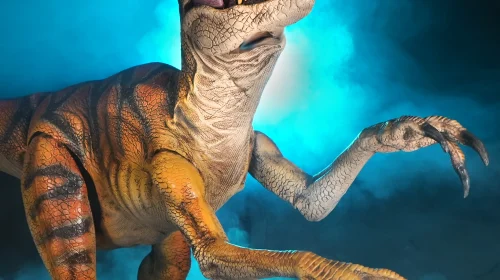
Some models resemble familiar dinosaurs such as Tyrannosaurus rex, Triceratops, or other popular species. Their designs may include detailed skin textures, expressive faces, moving heads, and decorative features that create a recognizable prehistoric character.
Depending on the model, common features may include:
- Motorized movement for controlled riding experiences.
- Realistic dinosaur shapes and surface details.
- Sound effects that support the prehistoric theme.
- Simple controls for operating the attraction.
- Safety features such as seat belts or protective seating arrangements.
- Rechargeable power systems for selected models.
The exact features vary by manufacturer and product specification, so operators should confirm the intended rider age, weight capacity, speed, and operating conditions before purchasing.
Why Rideable Dinosaurs Appeal to Children and Families
Interactive attractions are popular because they allow visitors to participate directly in an activity. Rideable dinosaurs build on this idea by combining the excitement of riding with the imaginative appeal of prehistoric creatures.
A Memorable Dinosaur Experience
Children often recognize dinosaurs from books, television programs, toys, and museum displays. Riding a dinosaur-shaped attraction gives them an opportunity to engage with a familiar subject in a new way.
The experience can feel like a small prehistoric adventure, especially when the venue includes themed decorations and sound effects.
Encouraging Imaginative Play
A dinosaur ride can inspire children to imagine exploring ancient landscapes or traveling through a world filled with prehistoric animals. This imaginative element adds value beyond the physical riding activity.
Parents can also participate by watching, taking photographs, or helping children learn about the dinosaur represented by the attraction.
Suitable for Family Entertainment
Family entertainment centers need activities that appeal to different visitors. While rideable dinosaurs are often designed primarily for children, their visual appearance can attract parents and other family members as well.
They can also serve as recognizable meeting points or themed features within a larger entertainment area.
Photography and Social Sharing Opportunities
Distinctive dinosaur rides create natural photo opportunities. Families may take pictures during the experience, helping the attraction remain part of their memories after the visit.
For operators, visually appealing attractions can also support event promotion and encourage visitors to share their experiences.
Popular Types of Rideable Dinosaur Models
Rideable dinosaurs are available in different configurations. Choosing the right type depends on the venue’s available space, target audience, and preferred entertainment style.
Motorized Rideable Dinosaurs
Motorized models use an electric drive system to move along a designated route or within a controlled area. They may include steering mechanisms, speed controls, and rechargeable batteries.
These models are suitable for venues that want to provide a more active riding experience. Operators should review the manufacturer’s specifications and ensure that the operating area is appropriate for the model.
Coin-Operated Dinosaur Rides
Coin-operated rides are commonly used in shopping malls, amusement areas, and family entertainment centers. Visitors activate the attraction through a payment mechanism, after which it runs for a programmed period.
Their compact format can make them practical for indoor locations with limited space. Some models also feature music, lighting, and gentle rocking movements.
Walking Dinosaur Rides
Certain rideable attractions are designed to simulate the movement of a dinosaur walking. Their appearance can create a more immersive experience, particularly when combined with realistic sculpting and sound effects.
The mechanical structure and movement range should be carefully evaluated to ensure the model is appropriate for its intended riders.
Themed Dinosaur Vehicles
Some attractions combine dinosaur styling with the structure of a small ride-on vehicle. These designs may resemble a prehistoric creature while offering familiar controls and seating arrangements.
They can be used in designated play zones, indoor entertainment areas, and outdoor family attractions, subject to the manufacturer’s operating guidelines.
How Rideable Dinosaur Technology Works
Modern rideable dinosaur attractions combine mechanical engineering, electrical systems, and decorative design. The technology used depends on whether the model is stationary, rocking, or capable of traveling along a route.
Electric Drive Systems
Motorized models use electric motors to produce movement. The motor and transmission system determine how the attraction accelerates, travels, and responds to operator controls.
Power requirements and battery capacity should match the expected operating duration and frequency of use.
Control Mechanisms
Controls may allow an operator or rider to manage basic movement functions. Some attractions use simple switches or directional controls, while others rely on preset operating programs.
For younger riders, straightforward controls and supervised operation are particularly important.
Mechanical Movement
Depending on the design, an attraction may include moving legs, a rocking body, a rotating head, or other mechanical features.
These movements contribute to the dinosaur theme, but they should remain smooth and appropriate for the intended age group.
Sound and Lighting Effects
Sound effects can make the experience more engaging by introducing dinosaur-inspired roars or background music. Lighting features may help the attraction stand out in indoor entertainment spaces.
Audio and lighting should be designed to suit the venue, avoiding excessive volume or distracting effects.
Benefits for Theme Parks and Family Entertainment Centers
Rideable dinosaurs can provide commercial and visitor-experience benefits when they are selected and operated appropriately.
Creating a Distinctive Attraction
Many entertainment venues offer familiar activities such as arcade games, slides, and small amusement rides. A dinosaur-themed attraction can add variety and give the venue a more distinctive identity.
Its unusual appearance may encourage visitors to explore an area they might otherwise overlook.
Encouraging Repeat Visits
Attractions that appeal to children’s interests can become part of a family’s regular entertainment routine. Operators may also introduce different dinosaur models or themed activities to maintain visitor interest.
Seasonal decorations and special dinosaur events can provide additional reasons for families to return.
Making Better Use of Available Space
Some rideable dinosaurs are designed for compact indoor locations, while larger motorized models require dedicated riding areas.
This variety allows operators to consider options according to their floor plan. Before installation, they should account for rider movement, queuing space, supervision, and safe entry and exit areas.
Supporting Themed Events
Rideable dinosaurs can become part of birthday parties, school holiday programs, promotional activities, and prehistoric-themed celebrations.
Their visual identity makes them suitable for coordinated decorations, costumes, games, and educational activities.
Combining Entertainment with Education
Although riding is primarily a recreational activity, dinosaur-themed attractions can introduce children to prehistoric animals. Operators can add information panels or short presentations explaining the dinosaur’s characteristics and historical period.
This approach helps connect entertainment with learning without making the experience feel like a formal lesson.
Important Safety Features to Consider
Safety should be a priority when selecting and operating any rideable attraction. Since these products carry passengers, their design and installation must meet appropriate requirements.
Important features and considerations include:
- Suitable seating: The seat should support the rider in the intended position.
- Restraint systems: Seat belts or other restraints should be provided where required by the design.
- Stable construction: The frame and base should support the specified rider weight and operating forces.
- Controlled speed: Movement should be appropriate for the intended age group and venue.
- Emergency controls: Operators should understand how to stop the attraction when necessary.
- Protected mechanisms: Moving components should be guarded to reduce access to pinch or entanglement points.
- Clear operating instructions: Staff should understand the model’s restrictions and correct operating procedures.
Operators should follow the manufacturer’s guidance and applicable local safety regulations. They should never exceed the specified rider capacity or use an attraction outside its intended conditions.
Choosing the Right Rideable Dinosaur for Your Venue
Selecting a suitable model involves more than choosing a dinosaur design that looks attractive. The product should match the venue’s operating needs and visitor profile.
Consider the Target Age Group
Different models are designed for different ages and physical sizes. Buyers should check the recommended rider age, weight limits, seating dimensions, and supervision requirements.
An attraction intended for toddlers may have different movement and control features from one designed for older children.
Evaluate Available Space
The installation area should accommodate the attraction itself, its full movement range, and safe access for riders. Operators should also allow sufficient space for queues and supervising adults.
Indoor venues may need to consider door widths, ceiling height, flooring, and nearby electrical connections.
Review Power and Battery Requirements
Battery-powered models need suitable charging arrangements and operating schedules. Buyers should ask about charging time, expected runtime, battery replacement, and power specifications.
These details are important for venues that expect frequent use throughout the day.
Examine Build Quality
The frame, exterior materials, seating, mechanical parts, and electrical components all contribute to the attraction’s durability.
Buyers should review product specifications and ask about maintenance support, replacement parts, and warranty coverage.
Compare Operating Costs
The initial purchase price is only one part of the investment. Operators should also consider electricity or battery costs, routine inspections, cleaning, repairs, and staff supervision.
Understanding these expenses helps venues assess the attraction’s long-term suitability.
Creating an Engaging Dinosaur-Themed Environment
A rideable dinosaur can become more appealing when it is integrated into a coordinated themed setting. The surrounding environment helps establish the atmosphere and gives visitors a stronger sense of adventure.
Prehistoric Decorations
Artificial plants, rock formations, dinosaur footprints, and themed signs can create the impression of an ancient landscape. These decorations should be arranged without blocking access routes or reducing visibility.
Supporting Dinosaur Displays
Static dinosaur sculptures, animatronic figures, and educational panels can complement the ride. A combination of attractions creates a more varied visitor experience.
For example, a family entertainment center might feature a small rideable dinosaur area alongside a larger dinosaur display and a photo zone.
Lighting and Audio
Carefully selected lighting can highlight the attraction and make it more noticeable in indoor venues. Background music or dinosaur-inspired sound effects can strengthen the theme.
The overall environment should remain comfortable for children and adults, with appropriate sound levels and clear visual guidance.
Interactive Activities
Operators can organize simple activities around the ride, such as dinosaur identification games, themed storytelling, or short educational presentations.
These additions can help visitors spend more time exploring the area and make the attraction part of a broader entertainment experience.
Maintenance Tips for Long-Term Performance
Regular maintenance helps keep rideable dinosaurs safe, reliable, and visually appealing. The required schedule depends on the model’s construction, operating frequency, and environment.
Recommended practices include:
- Inspect the frame, base, and seating for signs of damage.
- Check restraints, handles, and safety-related components.
- Test steering, controls, brakes, and emergency stopping functions where applicable.
- Examine motors, wiring, batteries, and charging connections.
- Inspect moving mechanisms for unusual noise or vibration.
- Clean the exterior using manufacturer-approved methods.
- Check decorative surfaces for cracks, peeling, or loose parts.
- Keep records of inspections, repairs, and servicing.
Any damaged or malfunctioning attraction should be taken out of service until it has been checked and repaired by an appropriately qualified person.
The Future of Rideable Dinosaur Attractions
Developments in materials, battery technology, motion systems, and interactive controls continue to create opportunities for more engaging rideable attractions.
Future designs may offer improved energy efficiency, quieter operation, enhanced movement, and more detailed exterior finishes. Some models may also integrate digital effects or interactive features that respond to rider actions.
As family entertainment centers look for experiences that combine novelty, participation, and visual appeal, dinosaur-themed rides are likely to remain an attractive option. Their success will depend on balancing engaging design with practical operation, durability, and safety.
Conclusion
Rideable dinosaurs are becoming distinctive attractions for theme parks and family entertainment centers because they combine imaginative themes with interactive experiences. Their recognizable designs, motorized movement, and optional sound and lighting effects can appeal to children while creating memorable family activities.
For venue operators, choosing the right attraction means evaluating rider requirements, available space, mechanical features, construction quality, maintenance needs, and safety provisions. When supported by suitable supervision and a well-designed themed environment, rideable dinosaurs can add variety to entertainment offerings and encourage visitors to return for more prehistoric adventures.