Choosing artwork for a home, office, or commercial space involves more than finding an attractive image. The materials, production methods, artistic techniques, and overall appearance all influence how a piece of art contributes to an interior. Among the available options, original oil paintings and printed artwork are two popular choices, each offering different advantages depending on individual preferences and budgets.
Understanding the differences between Custom Oil Paintings and printed artwork can help buyers make informed decisions. While both options can enhance interior decoration, they differ in craftsmanship, texture, personalization, production time, and artistic characteristics. Exploring these differences makes it easier to select artwork that meets specific decorative and personal requirements.
What Are Custom Oil Paintings?
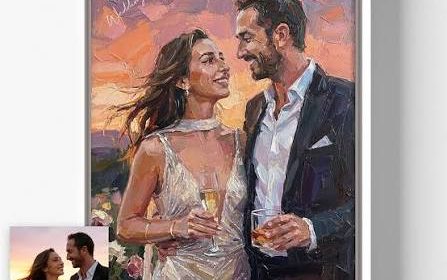
Custom oil paintings are original artworks created by artists using oil-based paints. These paints contain pigments suspended in drying oils, allowing artists to develop layered compositions with rich colors, detailed brushwork, and distinctive textures.
Unlike mass-produced decorative prints, custom paintings are developed according to specific requirements. Buyers can select the subject, artistic style, dimensions, colors, and other visual details.
Common types include:
- Family and individual portraits.
- Wedding and anniversary paintings.
- Landscape and nature scenes.
- Pet portraits.
- Historical and cultural artwork.
- Abstract and contemporary compositions.
Because each painting is individually created, the finished result reflects the artist’s technique and the buyer’s preferences.
What Is Printed Artwork?
Printed artwork is produced by transferring a digital image or prepared design onto a material such as paper, canvas, or another printable surface.
Modern printing technology makes it possible to reproduce photographs, digital illustrations, paintings, and graphic designs with consistent colors and details.
Printed artwork is widely used in homes, offices, hotels, restaurants, and commercial environments because it offers an accessible way to decorate walls.
Popular printing methods include:
Inkjet Printing
Inkjet printers apply small droplets of ink onto a surface to reproduce digital images. High-quality equipment can produce detailed images with smooth color transitions.
Giclée Printing
Giclée printing is a specialized inkjet printing method commonly associated with fine-art reproductions. It uses suitable inks and archival-quality materials to achieve detailed results and improved longevity under appropriate display conditions.
Canvas Printing
Canvas printing transfers digital images onto canvas material. The finished product can resemble a traditional painting from a distance, although it does not contain the original brushwork of a hand-painted artwork.
Custom Oil Paintings vs. Printed Artwork: Key Differences
Although both options serve decorative purposes, their production methods and visual characteristics are quite different.
1. Production Process
The most noticeable difference is how each type of artwork is created.
Custom oil paintings require an artist to apply paint manually using brushes, palette knives, and other traditional tools. The process involves composition planning, color mixing, layering, and detailed finishing.
Printed artwork is created through digital printing equipment. Once the image is prepared, a printer reproduces it onto the selected material.
Original paintings generally require more individual artistic involvement, while prints are easier to reproduce in multiple identical copies.
2. Texture and Surface Appearance
Oil paintings are known for their distinctive surface textures. Depending on the artist’s technique, visible brushstrokes, layered pigments, and raised paint applications can create physical depth.
Printed artwork usually has a smoother surface because the image is formed through ink or pigment application rather than traditional brushwork.
Canvas prints may imitate the appearance of paintings through textured materials, but the printed image itself does not contain the same physical paint layers.
3. Personalization Options
Customization is another important difference.
An original oil painting can be created according to individual requirements. Buyers may request changes to the composition, background, colors, subject placement, or artistic style.
Printed artwork can also be personalized through digital editing. However, its customization generally depends on the available design files and the capabilities of the printing service.
For people who want a painting based on personal photographs or specific creative ideas, traditional custom painting offers considerable flexibility.
4. Artistic Uniqueness
Original oil paintings are individually produced artworks. Even when artists work from the same reference photograph, differences in brushwork, color application, and artistic interpretation can make each result distinctive.
Printed artwork can be reproduced repeatedly with minimal variation. This makes it suitable for decorative projects that require several matching pieces.
The choice depends on whether the buyer values an individually created artwork or prefers consistent reproductions.
5. Color and Visual Depth
Oil paints allow artists to create complex color relationships through layering, blending, and glazing.
These techniques can produce subtle transitions between light and dark areas, giving subjects a sense of depth.
Modern printing technology can also reproduce impressive color accuracy and detail. However, printed colors are produced through ink or pigment combinations rather than the physical layering of oil paint.
Neither option is automatically superior in every situation. The final appearance depends on the artist’s skill, printing equipment, materials, and production quality.
Comparison Table: Custom Oil Paintings vs. Printed Artwork
| Feature | Custom Oil Paintings | Printed Artwork |
|---|---|---|
| Production method | Traditional hand painting | Digital printing |
| Texture | Physical paint layers and brushwork | Generally smooth printed surface |
| Personalization | Extensive artistic customization | Digital design customization |
| Reproduction | Each original is individually created | Multiple copies can be produced |
| Production time | Usually longer | Generally faster |
| Artistic character | Original artistic interpretation | Reproduction of a prepared image |
| Maintenance | Requires careful art conservation | Depends on printing materials and finish |
| Cost | Often higher due to labor and materials | Available across a wide range of budgets |
| Best suited for | Personalized and original artwork | Affordable and consistent decoration |
6. Cost and Overall Value
Budget is an important consideration when selecting artwork.
Custom oil paintings generally involve more labor because an artist must create the composition manually. The cost can depend on the painting’s dimensions, subject complexity, materials, artistic experience, and customization requirements.
Printed artwork is often more affordable because the production process can be automated and repeated.
However, price alone does not determine value. An original painting may offer personal significance, individual craftsmanship, and a distinctive artistic presence that makes it worthwhile for certain buyers.
Printed artwork, meanwhile, provides an economical solution for decorating larger spaces or creating coordinated interior designs.
7. Production Time and Availability
The time required to obtain artwork also differs between the two options.
A custom oil painting may require several stages, including preparing the canvas, developing the composition, applying paint layers, refining details, and allowing sufficient drying time.
More complicated projects can take considerably longer.
Printed artwork is generally faster to produce once the digital design is ready. This makes it useful for buyers working with limited decorating schedules or requiring multiple copies.
8. Durability and Long-Term Preservation
Both original oil paintings and printed artwork can last for many years when produced with suitable materials and maintained correctly.
Oil paintings require protection from excessive humidity, direct sunlight, physical contact, and unstable environmental conditions. Proper canvas preparation, quality paints, and appropriate conservation methods contribute to their longevity.
Printed artwork has different preservation requirements. Its lifespan depends on factors such as ink quality, paper or canvas material, protective coatings, and exposure to light.
Archival inks and acid-free materials can improve the longevity of fine-art prints, although no printing method is completely immune to environmental damage.
9. Decorative Applications and Interior Design
Both types of artwork can complement different interior styles.
Where Custom Oil Paintings Work Best
Original paintings are suitable for spaces where individual artistic expression and visual character are important.
Examples include:
- Living rooms with large decorative focal points.
- Bedrooms featuring personalized portraits.
- Offices displaying original artwork.
- Hotels and reception areas requiring distinctive decoration.
- Private collections and gallery-style interiors.
Where Printed Artwork Works Best
Printed artwork is practical for environments that require affordable and consistent decoration.
Common applications include:
- Large office spaces.
- Hotels and hospitality interiors.
- Restaurants and retail environments.
- Educational institutions.
- Coordinated gallery walls.
- Temporary or frequently updated displays.
The most appropriate choice depends on the room’s design, available budget, and intended atmosphere.
10. Which Option Should You Choose?
There is no universal answer because both options serve different purposes.
Custom oil paintings may be the better choice if you:
- Want an original piece created according to your preferences.
- Need artwork based on a personal photograph.
- Appreciate traditional artistic techniques.
- Prefer visible paint textures and individual brushwork.
- Want a meaningful gift or personal keepsake.
Printed artwork may be more suitable if you:
- Have a limited decorating budget.
- Need several matching copies.
- Prefer quick production and delivery.
- Want to reproduce a particular digital image.
- Need artwork for large-scale commercial decoration.
Some interiors can also benefit from combining both options. Original paintings can serve as central decorative features, while printed artwork can complement them throughout the remaining space.
11. Important Factors to Consider Before Purchasing Artwork
Regardless of which option you select, a few practical considerations can help improve your purchasing decision.
Subject Selection: Choose artwork that reflects your interests, personal experiences, or decorative goals.
Dimensions: Measure the available wall space to ensure the artwork fits appropriately.
Color Coordination: Consider how the artwork’s colors will interact with existing furniture, flooring, and wall finishes.
Material Quality: Review the canvas, paints, inks, printing surface, and protective finishes.
Artist or Provider Reputation: Examine portfolios, product examples, customer feedback, and service policies.
Display and Maintenance: Understand the environmental conditions and care requirements needed to preserve the artwork.
Brands such as ARTLAND are part of the personalized wall art market, where artistic preferences and individual decorative requirements influence artwork selection.
Conclusion
Custom oil paintings and printed artwork both provide effective ways to enhance interior spaces, but they offer different experiences. Original oil paintings emphasize individual craftsmanship, physical texture, and personalized artistic interpretation. Printed artwork focuses on reproduction, accessibility, consistent results, and affordability.
The best choice depends on personal preferences, budget, intended use, and the importance of owning an individually created piece. By understanding the differences in production, materials, customization, durability, and presentation, buyers can select artwork that complements their surroundings and meets their long-term expectations.