Ports play a critical role in international trade by connecting shipping networks with industrial supply chains. Every day, large vessels transport bulk materials such as coal, grain, iron ore, cement, and fertilizers across global markets. Handling these materials efficiently requires reliable equipment capable of transferring substantial cargo volumes while maintaining safety and minimizing operational delays.
Modern Ship Unloaders have become essential to this process. These specialized machines are designed to transfer bulk materials from vessels to shore-based storage, conveyor systems, or processing facilities. Advances in automation, mechanical engineering, and material handling technology are helping ports improve unloading performance and manage increasingly demanding cargo operations.
Understanding the Role of Ship Unloaders in Port Operations
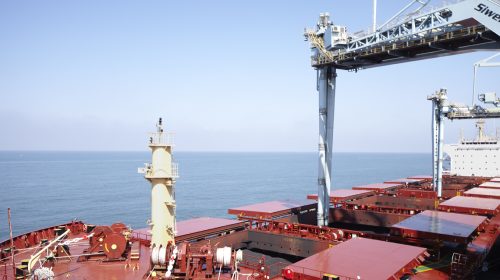
Ship unloaders are industrial handling machines used to remove bulk cargo from vessel holds. They operate as part of a larger port logistics system that may include conveyors, hoppers, storage silos, stockyards, and transportation equipment.
Their primary purpose is to move materials efficiently while reducing handling losses and maintaining a consistent flow of cargo.
Different ports require different unloading solutions depending on vessel dimensions, cargo characteristics, available infrastructure, and expected throughput. Selecting suitable equipment is therefore an important part of port planning and terminal management.
Different Types of Modern Ship Unloaders
Bulk cargo handling involves several unloading technologies, each designed for specific operational requirements.
Grab-Type Ship Unloaders
Grab unloaders use mechanical or electro-hydraulic grabs to collect bulk materials from vessel holds. The material is lifted and discharged into a receiving hopper, which typically feeds a conveyor system.
These machines are commonly used for handling coal, iron ore, aggregates, and other dry bulk commodities.
Their versatility makes them suitable for ports that handle different cargo types. However, operating efficiency depends on grab capacity, cycle time, vessel geometry, and operator control.
Continuous Ship Unloaders
Continuous unloaders are designed to transfer bulk materials through a relatively uninterrupted handling process. Depending on their configuration, they may use screw conveyors, bucket elevators, or pneumatic conveying technology.
These systems can provide consistent material flow and may reduce spillage when properly matched to the cargo and terminal layout.
They are particularly useful in operations where high unloading efficiency and controlled material transfer are important.
Pneumatic Ship Unloaders
Pneumatic unloaders use airflow and vacuum pressure to transport suitable bulk materials through enclosed pipelines.
They are commonly used for handling powdered or granular commodities such as grain, flour, and cement.
Because the material moves through enclosed equipment, pneumatic systems can help reduce dust emissions and limit direct exposure to surrounding environmental conditions. Their energy requirements and suitability depend on conveying distance, material properties, and required capacity.
Advanced Technologies Improving Unloading Efficiency
Technological developments are transforming how modern ports manage bulk cargo operations. New equipment increasingly combines mechanical improvements with automated controls and monitoring systems.
Automation and Intelligent Control Systems
Automated control systems help operators manage lifting movements, conveyor speeds, and unloading sequences more accurately.
Depending on the equipment design, sensors and programmable controllers can monitor operating conditions and support coordinated machine movements.
Automation can reduce unnecessary delays, improve handling consistency, and help operators manage complex unloading operations with greater precision.
Remote Monitoring and Digital Systems
Digital monitoring technologies provide useful information about equipment performance, operating hours, and maintenance conditions.
Sensors can track factors such as motor temperature, vibration, hydraulic pressure, and conveyor loading. This information helps maintenance teams identify unusual operating patterns before they develop into major equipment failures.
Some terminals also integrate unloading equipment with broader port management systems to improve scheduling and cargo movement coordination.
Energy-Efficient Drive Systems
Energy consumption is an important consideration in large-scale port operations. Modern electric drives, variable-frequency controls, and optimized mechanical systems can help reduce unnecessary power usage.
Variable-speed technology allows equipment to adjust operating speed according to cargo conditions and production requirements.
The resulting efficiency improvements depend on machine design, loading patterns, and overall terminal operations.
Improving Dust Control During Bulk Cargo Unloading
Dust generation is a major concern when handling dry bulk materials. Commodities such as coal, grain, cement, and mineral powders can release airborne particles during transfer from ships to receiving equipment.
Excessive dust can affect employee health, reduce visibility, contaminate nearby areas, and create environmental management challenges.
Modern unloading systems may incorporate several dust control measures, including:
- Enclosed conveyor transfer points.
- Dust extraction units and filtration equipment.
- Properly designed receiving hoppers.
- Water-based dust suppression where appropriate.
- Sealed material transfer arrangements.
The most suitable solution depends on cargo properties and environmental requirements. For example, water suppression may not be appropriate for materials that must remain dry or where moisture could affect product quality.
Effective dust management should be considered during equipment selection and terminal design rather than treated as an additional measure after installation.
Enhancing Safety in Port Cargo Handling
Bulk cargo unloading involves heavy machinery, suspended loads, moving conveyors, and workers operating within large industrial areas. Maintaining safe working conditions requires coordinated equipment design and operational procedures.
Modern safety features may include overload protection, emergency stop systems, collision prevention technology, and monitoring devices.
Additional safety measures include:
- Conducting regular inspections of lifting components and mechanical structures.
- Providing operator training for specific unloading equipment.
- Establishing restricted zones around moving machinery.
- Monitoring environmental conditions and visibility.
- Maintaining clear communication between vessel crews and terminal operators.
- Following established procedures for equipment shutdown and emergency response.
Safety requirements should also account for cargo-specific hazards, including combustible materials, chemical exposure, and potentially explosive dust atmospheres.
The Importance of Efficient Material Transfer Systems
A ship unloader cannot achieve maximum performance when the surrounding material handling infrastructure creates bottlenecks.
The receiving hopper, conveyor network, storage facilities, and downstream transportation equipment must all be designed to accommodate the expected unloading rate.
For example, an unloader with high theoretical capacity may operate below its potential if the conveyor system cannot transport material away quickly enough.
Coordinating equipment capacities helps maintain continuous material movement and reduces unnecessary vessel waiting time.
Terminal operators should therefore evaluate the entire cargo handling process rather than focusing exclusively on the unloading machine.
Choosing the Right Ship Unloader for a Port
Selecting appropriate unloading equipment requires a detailed assessment of operational and infrastructure requirements.
Cargo Characteristics
Different bulk materials have different flow properties, densities, moisture levels, and handling requirements. Grain, coal, iron ore, and cement may require different unloading technologies.
Understanding these properties helps determine whether grab, continuous, or pneumatic equipment is most suitable.
Vessel Size and Configuration
The dimensions of vessels and the design of their cargo holds influence equipment reach, lifting capacity, and unloading arrangements.
Ports handling different vessel classes should consider equipment flexibility and compatibility with berth infrastructure.
Required Unloading Capacity
Terminal operators should estimate expected cargo volumes and required unloading rates. Equipment capacity should reflect both current demand and anticipated future growth.
It is also important to consider actual operating efficiency rather than relying exclusively on theoretical maximum performance.
Maintenance and Lifecycle Costs
The total cost of ownership includes equipment installation, energy consumption, spare parts, maintenance labor, and eventual component replacement.
Reliable technical support and accessible replacement components can help minimize downtime throughout the equipment’s service life.
Environmental Considerations in Modern Port Operations
Environmental performance is becoming increasingly important in bulk cargo handling. Ports must manage dust emissions, noise, energy consumption, and material spillage while complying with applicable regulations.
Modern unloading equipment can support these objectives through enclosed transfer arrangements, improved filtration, efficient drives, and optimized operating controls.
Proper cargo handling also reduces material losses during transfer. This can improve resource efficiency while limiting the amount of spilled material requiring cleanup.
Ports should develop environmental management procedures based on the specific materials handled and the conditions surrounding their facilities.
Future Trends in Ship Unloading Technology
The future of bulk cargo handling is likely to involve greater automation, improved equipment monitoring, and more integrated terminal operations.
Artificial intelligence and predictive maintenance technologies may help identify developing mechanical problems by analyzing operating data. Remote operation capabilities can also improve equipment control in suitable port environments.
Meanwhile, improvements in electric drive systems and material handling design are expected to support more energy-conscious unloading operations.
As global trade volumes and environmental expectations continue to evolve, ports will increasingly require equipment that combines high productivity with operational reliability and responsible resource management.
Conclusion
Modern ship unloaders are essential to efficient bulk cargo handling at ports. Advances in mechanical systems, automation, digital monitoring, and dust control are helping terminals improve unloading performance while addressing workplace safety and environmental concerns.
Choosing the right equipment requires careful consideration of cargo characteristics, vessel dimensions, unloading capacity, infrastructure compatibility, and long-term maintenance requirements.
When integrated with properly designed conveyor systems and effective terminal management procedures, modern unloading technologies can support smoother port operations and more reliable bulk material transportation.