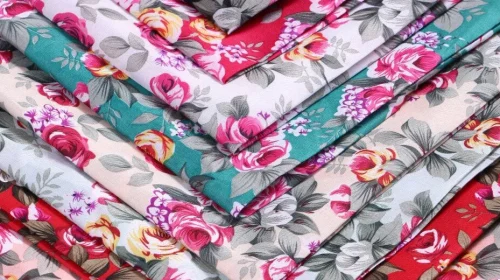
Decorative patterns play an important role in modern textile design, helping transform ordinary materials into attractive fabrics for clothing, accessories, and interior decoration. Manufacturers use different printing and surface-design techniques to create distinctive colors, motifs, and textures that reflect changing consumer preferences. Among these methods, fabric stamping offers an effective way to apply repeated or customized designs while maintaining visual consistency across textile products.
Stamped Fabric is produced by transferring decorative patterns onto a textile surface through specialized stamping or printing processes. Depending on the technique, manufacturers can create simple repeating motifs, detailed illustrations, and colorful decorative arrangements. This approach is used in fashion collections, home furnishings, promotional products, and various other textile applications where appearance and design flexibility are important.
What Is Stamped Fabric?
Stamped fabric refers to textile material decorated by applying patterns, images, or designs through a stamping process. The method generally involves transferring color or decorative elements from a prepared printing surface onto the fabric.
Traditional techniques may use carved blocks, engraved plates, or patterned rollers. Modern manufacturing can also incorporate automated printing equipment that improves production speed and design consistency.
The final appearance depends on several factors, including:
- Stamp design: Determines the shape, arrangement, and complexity of the pattern.
- Fabric composition: Influences how the textile interacts with inks, dyes, or pigments.
- Color selection: Defines the visual impact and suitability for different products.
- Printing material: The selected ink or dye affects color development and durability.
- Application pressure: Helps determine how evenly the design transfers to the textile.
- Finishing process: Can improve the appearance and performance of the printed surface.
These elements work together to produce fabrics that meet different decorative and functional requirements.
Common Techniques Used in Fabric Stamping
Textile manufacturers use several methods to apply decorative patterns. The appropriate technique depends on the desired design, production volume, fabric type, and available equipment.
Block Printing
Block printing is a traditional method in which a carved block is coated with dye or pigment and pressed against the fabric. The process is repeated to create a continuous pattern.
It is often associated with handcrafted textiles and artistic designs. Small variations between impressions can give the finished material a distinctive handmade appearance.
Roller Printing
Roller printing uses engraved cylindrical rollers to transfer designs onto fabric. As the textile moves through the machine, the rollers apply color in a continuous production process.
This technique is useful for producing repeated patterns across long lengths of fabric and is suitable for commercial textile manufacturing.
Screen Printing
Screen printing transfers ink through selected open areas of a prepared mesh stencil. Each screen corresponds to a particular design or color layer.
The method is widely used for garment decoration, decorative fabrics, and promotional textiles. It can reproduce bold graphics and repeated motifs with suitable production control.
Digital Textile Printing
Digital printing applies designs directly to compatible fabrics using specialized inkjet equipment. Although it differs from traditional physical stamping, it serves similar decorative purposes and provides considerable flexibility.
It is particularly useful for complex artwork, customized designs, and shorter production runs.
Why Fabric Composition Matters
The base textile has a significant influence on the quality of the stamped design. Different fibers absorb or interact with printing materials in different ways, so the printing process must be matched to the fabric composition.
Cotton Fabrics
Cotton is a natural fiber known for its softness and moisture absorption. It is commonly used for printed clothing, bedding, and decorative home textiles.
The appropriate pretreatment and ink system help achieve consistent results on cotton surfaces.
Polyester Fabrics
Polyester is widely used in modern textile printing because it offers durability, shape retention, and compatibility with several printing technologies. Sublimation printing is particularly common for suitable polyester materials.
The technique can produce detailed patterns and vibrant colors when the fabric and dyes are compatible.
Blended Fabrics
Cotton-polyester and other blended textiles combine characteristics of different fibers. Printing results depend on the blend ratio and the selected ink or dye system.
Manufacturers should conduct sample tests to confirm that the design develops evenly across the fabric.
Benefits of Stamped Fabric in Modern Textile Production
Stamped textiles offer several advantages for manufacturers, designers, and businesses that require decorative materials.
Greater Design Flexibility
Fabric stamping supports a wide range of motifs, including floral patterns, geometric arrangements, abstract artwork, traditional designs, and customized graphics.
This flexibility allows brands to create products that reflect particular themes, seasons, and customer preferences.
Consistent Repeating Patterns
Commercial stamping techniques can reproduce the same design across large fabric areas. With appropriate equipment calibration and process control, manufacturers can maintain consistent pattern placement and color application.
Customization Opportunities
Businesses can develop exclusive patterns for clothing collections, promotional merchandise, and interior decoration projects. Customized designs help distinguish products in competitive markets.
Suitability for Different Textile Products
Stamped designs can be applied to a variety of suitable materials, including woven fabrics, knitted textiles, and selected blended constructions.
The printing method must be chosen according to the fabric’s surface, composition, and intended use.
Creative Value
Traditional stamping methods offer a handcrafted appearance, while modern printing technologies support intricate details and complex color combinations. Both approaches provide opportunities for distinctive textile design.
Applications of Stamped Fabric in the Fashion Industry
Fashion manufacturers use printed and stamped textiles to create garments that combine decorative appeal with practical performance.
Dresses and Women’s Clothing
Floral, abstract, and geometric patterns are commonly used in dresses, skirts, blouses, and other fashion garments. Different printing techniques allow designers to develop both subtle and bold visual styles.
Shirts and Casual Wear
Stamped designs can add personality to casual shirts, tops, and everyday clothing. Repeating motifs and customized graphics help brands create recognizable collections.
Scarves and Fashion Accessories
Lightweight printed fabrics are suitable for scarves, wraps, and selected accessories. Detailed patterns and coordinated colors can enhance their decorative appeal.
Children’s Apparel
Bright colors, playful motifs, and themed patterns make stamped fabrics popular in children’s clothing. The selected material should also meet relevant comfort, durability, and care requirements.
Uses in Home Furnishing and Interior Decoration
Stamped textiles are widely used in interior products because patterns can influence the mood and visual balance of a room.
Curtains and Drapes
Printed curtains can introduce decorative themes, colors, and visual interest into living rooms, bedrooms, and commercial spaces. Fabric weight and opacity should be selected according to privacy and light-control requirements.
Cushion Covers
Stamped cushion fabrics allow homeowners and designers to coordinate decorative accessories with sofas, beds, and other furnishings.
Combining different patterns can create visual depth while maintaining a consistent color scheme.
Tablecloths and Table Runners
Patterned textiles are often used for table coverings, dining accessories, and event decorations. Their design versatility makes them suitable for both everyday interiors and special occasions.
Upholstery and Decorative Panels
Selected stamped fabrics can be used for furniture accents, decorative panels, and other interior applications. Buyers should check abrasion resistance and cleaning requirements before choosing a textile for frequently used furniture.
How to Choose the Right Stamped Fabric
Selecting the right material involves balancing appearance with technical performance. A visually attractive pattern may not be suitable if the textile lacks the required strength, comfort, or maintenance characteristics.
Consider these factors before purchasing:
- Fabric composition: Confirm whether the material is cotton, polyester, or a blended textile.
- Printing technique: Check how the design has been applied and whether the method suits the intended use.
- Pattern quality: Look for sharp details, consistent placement, and clean design edges.
- Color fastness: Evaluate resistance to washing, rubbing, and light exposure.
- Fabric weight: Select a suitable thickness for garments, curtains, or decorative products.
- Surface texture: Consider softness, smoothness, and the feel of the printed material.
- Durability: Assess the fabric’s ability to withstand repeated use and cleaning.
- Supplier reliability: Look for consistent product specifications and dependable quality control.
Requesting samples before placing a bulk order helps buyers assess the actual pattern, texture, and performance.
Quality Control in Stamped Fabric Manufacturing
Quality control is essential for producing textiles with consistent patterns and reliable performance. Even small variations in printing conditions can affect the finished appearance.
Manufacturers commonly monitor several production stages:
- Fabric preparation: Ensure the textile is clean and suitable for the selected printing method.
- Design alignment: Maintain accurate positioning of repeated patterns.
- Color consistency: Monitor ink or dye application to reduce variations.
- Printing pressure: Apply suitable pressure for uniform design transfer.
- Drying and fixation: Follow the required conditions for the selected printing system.
- Final inspection: Check for smudges, incomplete impressions, uneven color, and fabric defects.
Regular testing and documented production procedures help manufacturers maintain quality across different batches.
Care and Maintenance of Stamped Textiles
Proper care helps preserve printed designs and maintain the appearance of finished products. Cleaning requirements depend on the fiber composition, printing technique, and finishing treatments.
Recommended practices include:
- Follow the manufacturer’s washing instructions.
- Use detergents suitable for the fabric type.
- Avoid unnecessarily high washing temperatures.
- Separate colors when appropriate.
- Avoid harsh bleaching agents unless specifically approved.
- Use suitable ironing temperatures for the textile composition.
- Store clean fabrics in a dry and well-ventilated area.
For decorative fabrics with special coatings or finishes, follow the supplier’s recommended cleaning method.
Emerging Trends in Fabric Stamping and Textile Printing
Textile decoration continues to evolve through improvements in digital printing, automated production, and fabric finishing technologies. Digital equipment is making customized designs more accessible while supporting detailed artwork and flexible production quantities.
There is also growing interest in more efficient printing processes that reduce material waste and improve resource management. Manufacturers are exploring better ink formulations, recycled textile materials, and production methods designed to reduce water and energy consumption.
At the same time, traditional block and handcrafted printing techniques remain relevant because of their artistic character and distinctive visual qualities. Combining traditional design inspiration with modern production technology is creating new opportunities for textile innovation.
Conclusion
Stamped fabric manufacturing provides an effective way to introduce decorative patterns, colors, and customized designs into modern textiles. Through techniques such as block printing, roller printing, screen printing, and digital textile printing, manufacturers can produce materials for fashion apparel, accessories, home furnishings, and promotional products.
Choosing the right stamped fabric requires careful attention to fiber composition, printing quality, pattern consistency, durability, and maintenance needs. With suitable materials and reliable production controls, stamped textiles can deliver attractive designs and dependable performance across a wide range of applications.