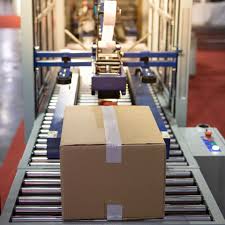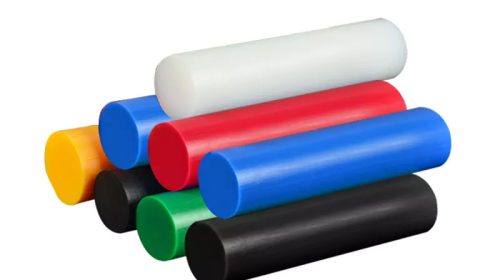
Heavy-duty machinery operates under demanding conditions, often generating significant vibration, repeated impacts, and mechanical stress. Equipment such as industrial presses, compressors, pumps, conveyors, and construction machines relies on components that can withstand these forces while maintaining stable operation. Rubber cushions play an important role in managing mechanical stress by providing flexible support between equipment parts and surrounding structures.
Choosing the right Rubber Cushion can help reduce vibration transmission, absorb shocks, and protect machinery from unnecessary wear. These components are available in different shapes, sizes, and rubber formulations to suit specific industrial requirements. Understanding how they work and where they are most effective helps equipment operators and engineers make informed decisions about machinery protection and maintenance.
What Is a Rubber Cushion?
A rubber cushion is a flexible component designed to absorb mechanical energy and provide cushioning between two surfaces. It is typically manufactured from an elastomer that can compress under load and return toward its original shape when the load is removed.
Unlike rigid mounting components, rubber cushions can deform slightly during operation. This ability allows them to absorb some impact energy and reduce the direct transfer of vibration between connected parts.
Common characteristics include:
- Elasticity and compressibility.
- Shock absorption.
- Vibration reduction.
- Resistance to repeated mechanical loading, depending on the compound.
- Surface protection.
- Availability in different shapes and hardness levels.
Rubber cushions are used in machinery mounts, equipment supports, protective interfaces, and other applications where controlled flexibility is beneficial.
1. How Rubber Cushions Absorb Mechanical Shock
Heavy-duty machinery can experience sudden forces during starting, stopping, loading, and material handling. These impacts may place stress on machine frames, fasteners, and connected components.
Rubber cushions help manage these forces through controlled deformation. When an impact occurs, the rubber compresses and absorbs part of the mechanical energy. It then gradually recovers as the load decreases.
This process can help:
- Reduce the severity of transmitted impacts.
- Protect connected surfaces from direct contact.
- Limit stress on selected mounting points.
- Reduce the likelihood of impact-related damage.
- Improve the durability of suitable assemblies.
The amount of shock absorption depends on the rubber formulation, cushion geometry, hardness, thickness, and applied load.
2. Reducing Vibration in Industrial Machinery
Vibration is a common operating condition in equipment containing rotating shafts, motors, pumps, and reciprocating mechanisms. Excessive vibration can contribute to noise, fatigue, fastener loosening, and premature wear.
Rubber cushions can act as flexible interfaces between machinery and its supporting structure. Their elastic properties help reduce the transmission of certain vibration frequencies.
Potential benefits include:
- Reduced vibration transfer to floors and supporting frames.
- Less mechanical stress on connected components.
- Improved stability in suitable installations.
- Reduced vibration-related noise.
- Better protection for nearby equipment.
However, vibration isolation requires correct engineering. A cushion that is too soft or too stiff may not perform as intended. Its load capacity and dynamic characteristics should match the machinery’s operating conditions.
3. Protecting Machinery Components from Wear
Repeated movement and direct contact can gradually damage mechanical components. Metal surfaces may experience abrasion, while mounting points can develop wear due to vibration and repeated loading.
Rubber cushions provide a protective layer that can reduce direct contact between rigid surfaces.
They are useful in applications involving:
- Machine bases and support structures.
- Equipment mounting points.
- Protective stops and buffers.
- Mechanical enclosures.
- Material handling equipment.
- Selected moving or impact-prone assemblies.
By cushioning contact points, rubber components can help limit surface damage and reduce maintenance requirements.
4. Improving Equipment Stability
Stable machinery operation is important for maintaining production quality and workplace safety. Excessive movement can affect equipment alignment, create unwanted noise, and place additional stress on mounting hardware.
Rubber cushions can support machinery by providing a degree of flexibility between the equipment and its foundation.
When correctly selected and installed, they can help:
- Maintain more consistent contact with supporting surfaces.
- Reduce minor movement caused by vibration.
- Distribute loads across mounting areas.
- Protect floors and equipment bases.
- Support smoother operation.
The cushion must be designed for the equipment’s static weight and dynamic forces. For large machines, proper load calculations and mounting design are essential.
5. Reducing Noise from Mechanical Impact
Noise in industrial environments often results from vibration, repeated impacts, and contact between rigid components. Rubber cushions can help reduce some of these sounds by limiting direct contact and absorbing part of the impact energy.
Applications may include:
- Industrial presses.
- Compressors and pumps.
- Conveyor systems.
- Metal processing machinery.
- Equipment covers and protective panels.
- Machine stops and buffers.
Although rubber cushions can contribute to noise reduction, they are not a complete acoustic treatment. Additional measures may be necessary when machinery produces high noise levels through airflow, internal mechanisms, or structural resonance.
Common Types of Rubber Cushions
Rubber cushions are available in several designs to meet different load, mounting, and protection requirements.
| Type | Main Function | Typical Applications |
|---|---|---|
| Flat rubber pads | Provide cushioning between surfaces | Machine bases and equipment supports |
| Cylindrical rubber cushions | Absorb compression and impact forces | Mounting assemblies and buffers |
| Rubber mounting blocks | Support equipment and reduce vibration transmission | Motors, pumps, and industrial machinery |
| Molded rubber cushions | Fit specific shapes and mechanical requirements | Custom industrial assemblies |
| Rubber buffer stops | Reduce impact at movement limits | Conveyors, doors, and mechanical systems |
The most suitable design depends on the direction of loading, available installation space, and expected operating forces.
Choosing the Right Rubber Material
Different rubber compounds offer different mechanical and environmental properties. Selecting the appropriate formulation is important for maintaining cushioning performance over time.
Common options include:
Natural rubber: Often valued for its elasticity and resilience, making it suitable for selected shock and vibration applications.
Nitrile rubber (NBR): Frequently selected where resistance to petroleum-based oils and fuels is important.
EPDM rubber: Commonly used in applications requiring resistance to weathering, ozone, and water.
Neoprene rubber: Offers a balance of properties for selected industrial and outdoor environments.
Silicone rubber: Can maintain flexibility across a relatively broad temperature range, although its mechanical properties may differ from those of other industrial elastomers.
These materials are not interchangeable. Selection should account for temperature, chemical exposure, load, compression, and the required service life.
Factors to Consider When Selecting Rubber Cushions
Choosing a rubber cushion involves evaluating more than its size and shape. Several factors determine whether it can withstand the demands of heavy-duty machinery.
1. Load Capacity
Determine the static weight supported by the cushion and the additional forces generated during operation. A cushion that is overloaded may compress excessively or deteriorate prematurely.
2. Rubber Hardness
Hardness influences how much the cushion deforms under pressure. Softer rubber generally provides greater flexibility, while harder compounds may offer better resistance to deformation in certain applications.
The appropriate hardness depends on the load and required vibration characteristics.
3. Cushion Dimensions
Length, width, thickness, and shape affect how forces are distributed. Accurate measurements help ensure proper fit and prevent uneven loading.
4. Operating Temperature
Rubber properties can change when exposed to high or low temperatures. Select a compound with a suitable operating range for the machinery’s environment.
5. Chemical and Environmental Exposure
Consider contact with oils, fuels, cleaning agents, water, dust, and outdoor weather conditions. Verify that the chosen rubber compound is compatible with the actual exposure.
6. Compression and Recovery
A cushion should maintain suitable elasticity under repeated loading. Compression set, fatigue resistance, and long-term deformation are important considerations for equipment that operates continuously.
7. Vibration Characteristics
Different machines generate different vibration frequencies and amplitudes. Cushion design should be matched to the equipment’s operating speed, weight, and mounting arrangement.
Industrial Applications of Rubber Cushions
Rubber cushions are used across several industries to protect machinery and improve operating conditions.
| Industry | Typical Applications |
|---|---|
| Manufacturing | Machine supports, impact buffers, and protective pads |
| Construction | Heavy equipment mounting and vibration control |
| Automotive | Selected engine and equipment mounting systems |
| Agriculture | Machinery supports and impact protection |
| Material handling | Conveyor buffers and equipment supports |
| Mining | Selected heavy machinery cushioning and protective interfaces |
In each application, the cushion must be selected according to the expected load, operating environment, and mechanical design.
Rubber Cushions vs. Rigid Mounting Materials
Rubber and rigid materials serve different purposes in machinery assemblies.
| Feature | Rubber Cushions | Rigid Metal Supports |
|---|---|---|
| Flexibility | High | Very limited |
| Shock absorption | Good in suitable designs | Limited |
| Vibration isolation | Possible with correct design | Generally limited |
| Load capacity | Depends on compound and geometry | Often suitable for high structural loads |
| Surface protection | Provides a cushioning layer | May require separate protective materials |
| Alignment | Can accommodate limited movement | Provides more rigid positioning |
Rubber cushions are useful where flexibility and impact management are required. Rigid supports remain important for structural stability and precise positioning. Some industrial assemblies combine both materials to achieve the required balance.
Installation and Maintenance Best Practices
Proper installation is essential for achieving reliable cushioning and vibration performance.
Consider the following practices:
- Clean mounting surfaces before installation.
- Confirm that cushion dimensions match the equipment design.
- Distribute loads evenly across support points.
- Avoid excessive compression during fastening.
- Check alignment and mounting hardware.
- Inspect cushions regularly for cracks, tearing, and deformation.
- Replace components that show significant deterioration.
- Follow the machinery manufacturer’s installation recommendations.
Periodic inspections are especially important in equipment exposed to continuous vibration, heavy loads, or changing temperatures.
Why Manufacturing Quality Matters
The quality of a rubber cushion affects its durability, load-bearing behavior, and ability to absorb mechanical energy. Variations in material formulation, hardness, or dimensions can lead to inconsistent performance.
When evaluating a manufacturer, consider:
- Material specifications and available rubber compounds.
- Hardness and dimensional tolerances.
- Resistance to repeated compression.
- Production and inspection processes.
- Custom shapes and sizes.
- Technical documentation.
- Consistency between production batches.
For specialized machinery, working with a manufacturer that understands application requirements can help ensure that the cushion is suitable for its intended operating conditions.
Conclusion
Rubber cushions are valuable components in heavy-duty machinery because they help absorb mechanical shock, reduce certain types of vibration, protect contact surfaces, and support equipment stability. Their flexibility makes them suitable for a wide range of industrial applications, including manufacturing machinery, pumps, compressors, conveyors, and construction equipment.
To achieve reliable performance, businesses should consider load capacity, rubber hardness, dimensions, temperature resistance, chemical compatibility, and vibration characteristics when selecting a cushion. Proper installation and regular inspection also help maintain effectiveness. With the right material and design, rubber cushions can contribute to longer component life, reduced maintenance demands, and more dependable machinery operation.