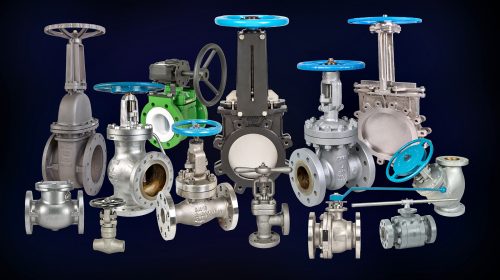
Fluid systems are designed to move liquids or gases along a defined route, but flow direction can sometimes change unexpectedly. Reverse flow may occur because of pressure differences, pump shutdown, changes in operating conditions, or other events within the pipeline. Depending on the process, this reversal can interfere with equipment operation, cause contamination, or place unnecessary stress on connected components. A check valve is one of the devices used to help address this issue.
A PTFE Lined Check Valve may be considered for applications where automatic reverse-flow prevention and chemical compatibility are both important. Check valves respond to flow or pressure conditions rather than requiring routine manual operation, while PTFE-related internal materials may be useful for selected corrosive-fluid services. The valve’s design and suitability must be confirmed against the system’s operating requirements.
Why Reverse Flow Needs to Be Controlled
Reverse flow can create problems in systems that depend on fluid moving in a particular direction. For example, a reversal may cause fluid to return toward a pump, introduce material into an upstream section, or disrupt a process sequence.
In some applications, reverse flow may also affect the performance of other equipment. The potential consequences depend on the fluid, the system layout, and the equipment connected to the pipeline.
A check valve is intended to respond automatically to flow conditions. However, its ability to prevent reversal depends on the design, installation, operating pressure, and the conditions under which it closes.
How a Check Valve Operates
Check valves use a movable internal component that responds to the direction of fluid movement or pressure conditions. When flow moves in the permitted direction and provides sufficient force, the valve opens according to its design.
When flow slows, stops, or reverses, the internal mechanism may move toward the closed position. This helps restrict reverse movement through the pipeline.
Different check valve designs use different closing mechanisms. Some rely on a disc, others use a flap, spring, or another internal arrangement. The buyer should understand how the selected model operates and what conditions are needed for it to close effectively.
The Role of PTFE Lining
PTFE is known for its resistance to many chemicals and its low-friction properties. It may be used as a lining, seat, or other internal component in selected check valve designs.
A PTFE-related protective surface may help reduce direct exposure of certain structural materials to corrosive process fluids. This can be relevant in chemical processing, industrial manufacturing, water treatment, and other applications involving compatible media.
Material compatibility should be confirmed using the fluid composition, concentration, temperature, pressure, and operating conditions. The valve’s body, internal mechanism, seals, and other wetted components must also be evaluated.
Applications in Industrial Pipelines
Check valves may be used in pump discharge lines, process transfer systems, utility pipelines, water treatment equipment, and selected chemical services.
Their purpose should be defined within the piping design. A valve may be intended to prevent reverse flow after a pump stops, protect a particular section of the system, or support a process arrangement.
The engineer should consider the flow rate, pressure conditions, potential reversal, and consequences of leakage. Not every check valve is suitable for every application, and different designs may respond differently to changing flow conditions.
Preventing Water Hammer and Unwanted Pressure Changes
Rapid check valve closure can contribute to pressure transients in some systems. The interaction between flow velocity, pipeline length, fluid properties, and valve closing behaviour can influence the severity of pressure changes.
Engineers should evaluate the possibility of water hammer or other transient effects when designing the system. The check valve should not be selected solely on the basis of its nominal size.
Where pressure transients are a concern, a broader system assessment may be needed. This can include pump operation, pipe layout, flow velocity, and other components designed to manage pressure changes.
Installation Orientation and Pipeline Design
Installation requirements vary according to the check valve’s construction. Some designs have specific orientation restrictions or require particular flow conditions to operate correctly.
The manufacturer should provide instructions covering installation direction, orientation, connection dimensions, and any limitations involving flow or pressure. The valve should be positioned where it can function properly without interference from surrounding equipment.
The pipeline should be supported appropriately, and the valve should not be subjected to excessive mechanical stress during installation.
Inspection and Maintenance
Although check valves operate automatically, they still require inspection. Maintenance personnel should monitor leakage, abnormal pressure behaviour, and signs of malfunction.
The internal mechanism may be affected by deposits, debris, wear, or changes in operating conditions. Inspection and maintenance should follow the manufacturer’s procedures and should be performed after the system has been made safe.
Selecting a Suitable Check Valve
A PTFE-lined check valve can provide a useful combination of automatic flow-direction control and material compatibility in selected applications. Its effectiveness depends on the internal design, fluid conditions, closing behaviour, and installation arrangement.
By reviewing reverse-flow risks, pressure conditions, chemical compatibility, valve orientation, and maintenance requirements, engineers can select a check valve that supports the intended function and helps protect the wider pipeline system.