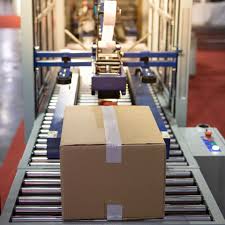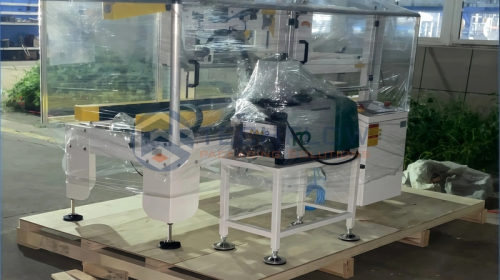
Carton formation is a critical step in packaging because the quality of an assembled box affects product loading, sealing, storage, and transportation. If cartons are unevenly folded or incorrectly shaped, they can create problems throughout the packaging line. For manufacturers handling large production volumes, maintaining consistent carton quality through manual preparation can be challenging.
A Case Erecting Machine automates the process of opening flat carton blanks, folding the bottom flaps, and preparing boxes for filling. By using controlled feeding and forming mechanisms, this equipment helps produce cartons with consistent shapes and dimensions. It also reduces repetitive manual work and supports a more reliable packaging process.
Understanding Consistent Carton Formation
Consistent carton formation means producing boxes that maintain the required dimensions, shape, and structural integrity throughout the packaging process. Each carton should open correctly, have properly folded flaps, and provide a stable base for product loading.
Several factors influence carton quality, including:
- Accuracy of the carton blank dimensions.
- Quality and thickness of corrugated board.
- Correct positioning during the forming process.
- Proper folding of bottom flaps.
- Consistency of the sealing method.
- Condition and adjustment of the forming equipment.
When these factors are controlled, cartons are more likely to move smoothly through filling, sealing, and distribution operations.
1. Ensures Uniform Carton Dimensions
One of the main advantages of automated case forming is its ability to produce cartons with repeatable dimensions. Manual assembly can result in slight differences in box shape because workers may fold or position flaps differently.
A case erecting machine uses guides and forming components to open each blank according to its intended design. This helps maintain consistent carton dimensions and makes boxes easier to handle in automated packaging systems.
Uniform dimensions are especially important when cartons travel through conveyors or enter equipment designed for specific box sizes.
2. Improves Bottom Flap Folding Accuracy
The bottom flaps of a carton must be folded into the correct position before they are sealed. Incorrect folding can affect the stability of the box and create difficulties during product loading.
Automated forming equipment coordinates the folding process to help position the flaps consistently. This reduces variations that may occur during manual preparation.
Proper flap positioning also supports more reliable tape or hot-melt adhesive application, helping create a secure carton base.
3. Reduces Errors During Manual Carton Assembly
Manual carton preparation involves repeated movements, and consistency may vary depending on operator experience, workload, and production conditions. Mistakes can include incomplete folding, incorrectly opened boxes, and misaligned flaps.
Automation reduces dependence on individual manual techniques by following a controlled forming sequence. This helps minimize common assembly errors and reduces the need for repeated corrections.
Operators can instead focus on monitoring machine performance, checking carton quality, and replenishing flat blanks.
4. Supports Reliable Product Loading
Cartons must maintain their shape when they reach filling or case-packing stations. Poorly formed boxes may collapse, become misaligned, or create difficulties when products are inserted.
Consistent carton formation provides a more predictable structure for downstream equipment. This can help improve the coordination between carton preparation and product loading.
For automated lines, properly formed cartons are particularly important because case packers and robotic systems often depend on repeatable box dimensions and positioning.
5. Helps Maintain Secure Carton Sealing
Carton sealing depends partly on how accurately the bottom flaps are folded. If the flaps are uneven or incorrectly positioned, tape or adhesive may not be applied as intended.
A case erecting machine helps prepare the carton base for consistent sealing. Depending on the machine configuration, the system may use tape or hot-melt adhesive to secure the bottom flaps.
Reliable sealing helps maintain carton integrity during filling, movement, stacking, and transportation. The correct sealing method should always match the carton material and packaging requirements.
6. Reduces Packaging Line Interruptions
Inconsistent cartons can create problems beyond the forming station. Poorly shaped boxes may cause jams, misalignment, or delays when moving through conveyors and packaging equipment.
Automated carton forming helps reduce these variations by preparing boxes through a repeatable process. A steady supply of properly formed cartons also makes it easier to coordinate production between different packaging stages.
However, overall performance depends on proper machine adjustment, suitable carton materials, and compatibility with downstream equipment.
7. Improves Packaging Efficiency
Consistent carton formation can make the entire packaging process more predictable. When boxes have uniform shapes and properly folded bottoms, employees and automated systems can handle them more easily.
A case erecting machine also reduces the time spent manually opening and assembling cartons. This allows packaging teams to focus on other production activities while the equipment prepares boxes at a controlled rate.
The improvement in productivity depends on machine capacity, carton specifications, and the operating speed of the complete packaging line.
8. Supports Better Product Protection
Cartons provide an important layer of protection during storage and transportation. Their structural performance depends on suitable materials, correct dimensions, and proper assembly.
Consistently formed boxes help maintain the intended carton structure and provide a more reliable base for product loading. This is particularly important when products are stacked, transferred between facilities, or transported over long distances.
It is important to remember that carton formation alone does not guarantee product protection. Board strength, internal cushioning, product weight, and handling conditions must also be considered.
9. Makes Integration with Automated Equipment Easier
Modern packaging lines often connect carton forming equipment with conveyors, case packers, robotic loading systems, and carton sealers.
These machines work more effectively when cartons arrive in predictable shapes and dimensions. Consistent formation can reduce adjustment requirements and support smoother transfers between packaging stages.
Before integrating equipment, manufacturers should confirm carton compatibility, conveyor height, transfer position, operating speed, and control-system requirements.
Factors That Affect Carton Formation Quality
Although automation improves repeatability, several operating factors still influence the quality of formed cartons.
Carton Blank Quality
Carton blanks should have accurate dimensions, clean cuts, and suitable board strength. Damaged or poorly manufactured blanks can cause feeding problems and inconsistent forming.
Machine Calibration
Forming guides, folding components, and feeding mechanisms must be adjusted according to the carton specifications. Incorrect settings can result in incomplete opening or uneven flap positioning.
Vacuum and Feeding Performance
Vacuum suction and blank separation systems should operate reliably. Weak suction, dust accumulation, or damaged suction cups may cause missed picks or double feeding.
Regular Maintenance
Worn belts, misaligned components, and faulty sensors can affect carton positioning. Routine inspection and preventive maintenance help maintain consistent machine performance.
Operator Training
Operators should understand machine settings, carton loading procedures, fault indicators, and safety requirements. Proper training helps prevent avoidable errors and supports reliable operation.
How to Choose a Machine for Consistent Carton Formation
Selecting suitable equipment requires an understanding of current packaging needs and expected production changes. Manufacturers should evaluate:
- Carton size range: Confirm that the machine supports the required box dimensions.
- Material compatibility: Check the corrugated board thickness and blank styles supported.
- Forming accuracy: Review how the machine opens cartons and controls flap positioning.
- Production capacity: Match the machine’s output with packaging line requirements.
- Changeover flexibility: Consider how easily operators can switch between carton sizes.
- Integration options: Ensure compatibility with conveyors, filling stations, and sealing equipment.
- Maintenance support: Review service requirements, spare-parts availability, and technical assistance.
A suitable machine should provide consistent carton preparation while fitting the facility’s actual production workflow.
Conclusion
Consistent carton formation is essential for reliable packaging operations. Properly shaped boxes support accurate product loading, secure sealing, smooth material movement, and better coordination between packaging machines.
A case erecting machine helps manufacturers achieve this consistency by automating carton opening, forming, and bottom flap folding. With suitable carton materials, correct machine settings, regular maintenance, and proper operator training, businesses can reduce manual assembly errors and maintain a more dependable packaging process.